


Designer
Charles Robert Ashbee
Charles Robert Ashbee was a central figure in the British Arts and Crafts movement, known for his visionary approach to design, craftsmanship, and social reform.
Category
Period
Maker
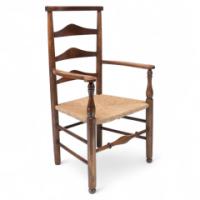





Charles Robert Ashbee (1863–1942) was a central figure in the British Arts and Crafts movement, known for his visionary approach to design, craftsmanship, and social reform. Trained as an architect, Ashbee founded the Guild and School of Handicraft in 1888 in London, later relocating it to Chipping Campden in the Cotswolds. The Guild produced finely crafted metalwork, furniture, and decorative arts, emphasizing the moral and aesthetic value of hand production. Ashbee’s furniture designs often featured simple forms, exposed joinery, and subtle decorative detail, reflecting a deep respect for materials and maker. A skilled designer and an influential thinker, he wrote extensively on the role of the craftsman in modern society and advocated for the integration of art into everyday life. Though the Guild closed in 1907, Ashbee's legacy endures as a champion of honest design, social idealism, and the enduring value of craftsmanship.