



-medium-size.jpg)
-medium-size.jpg)


-thumb.jpg)
-thumb.jpg)
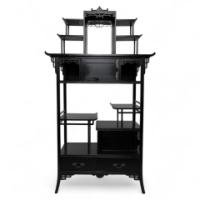
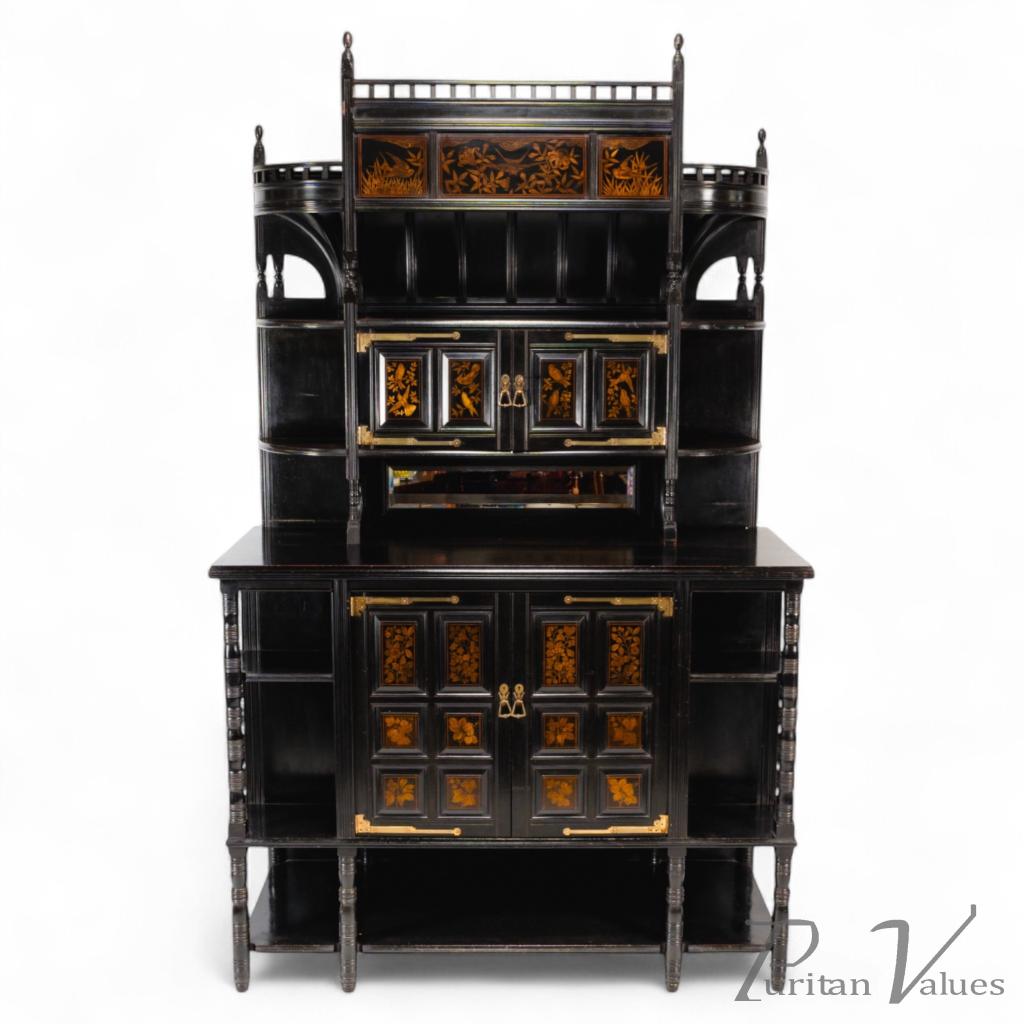
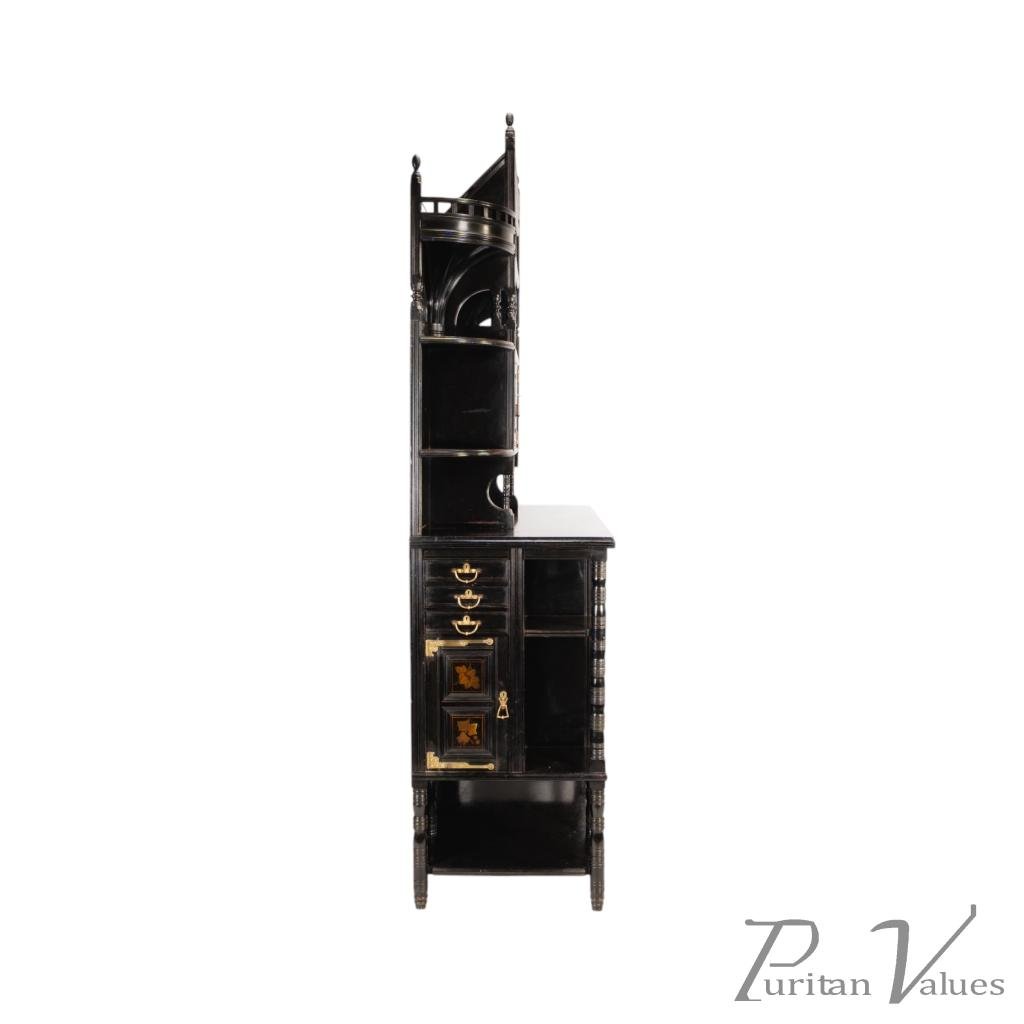
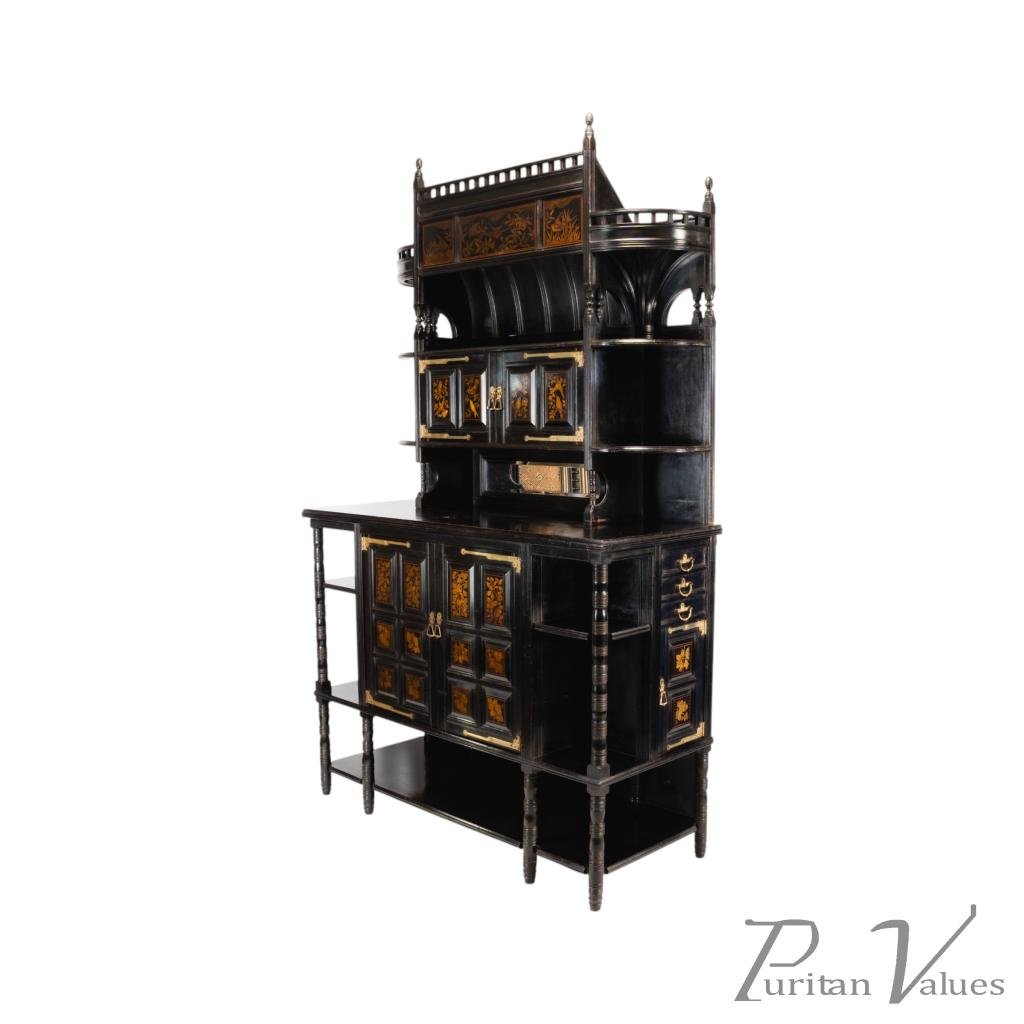
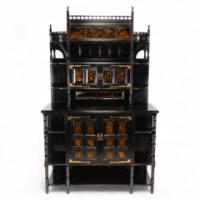
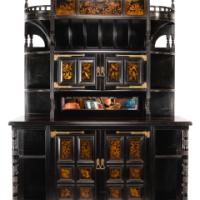
Collinson and Lock – Aesthetic Movement Cabinet Designed by T. E. Collcutt
Price on Application
This item is price on application due to its rarity and importance.
Width: 57.09 in (145 cm)
Depth: 23.43 in (59.5 cm)
1880-1889
About this piece
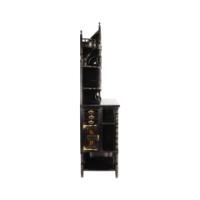
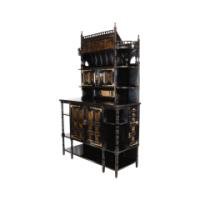
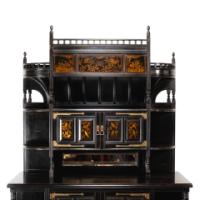
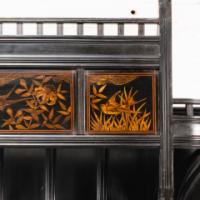
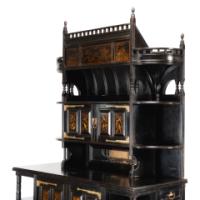
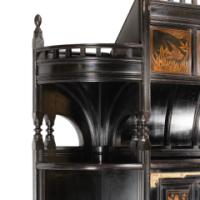
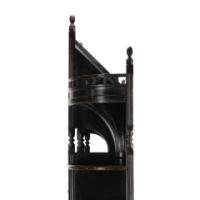
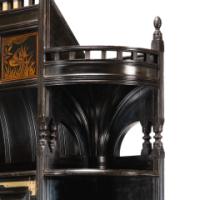
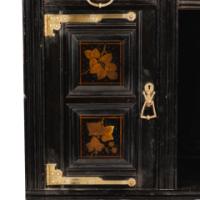
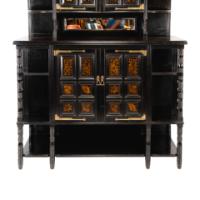
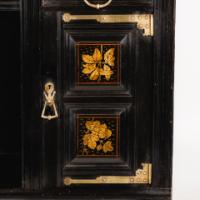
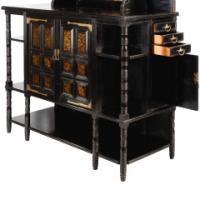
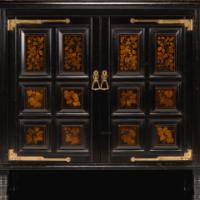
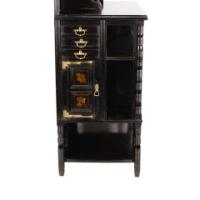
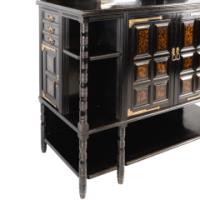
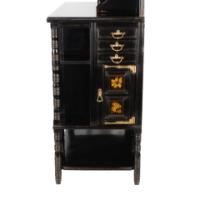
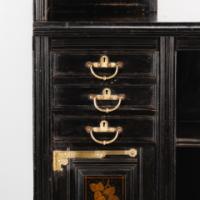
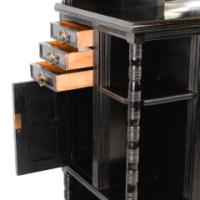
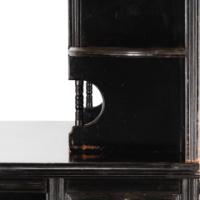
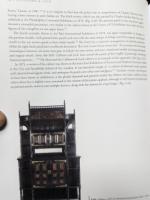
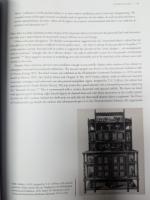
Cabinet in ebonised wood, aligned to the Aesthetic Movement (1860–1890), designed by Thomas Edward Collcutt and made by Collinson and Lock, c.1871. The form follows the documented series of cabinets Collcutt designed for the firm, including the example in the Victoria and Albert Museum, accession MISC.127:1 to 9–1921. That example was shown at the London International Exhibition of 1871 and was purchased by the Commissioners of the 1851 Exhibition, who later presented it to the Museum.
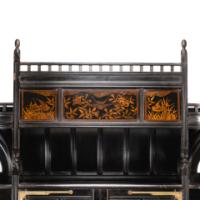
This cabinet reflects the same structured arrangement, with upper shelves, flanking compartments, graduated levels and a central case framed by architectural uprights. The hand-painted panels of birds and flowers are by Charles Fairfax Murray, whose work appears on the known exhibition examples. Additional cabinets from this group were exhibited at the International Exhibition in Vienna in 1873 and the Philadelphia International Exhibition of 1876, reaffirming the design’s international position within the decade’s Aesthetic interiors.
The art historian and collector Charles Handley-Read described the 1871 Collcutt cabinet as “one of the most influential pieces of furniture ever designed by a Victorian architect”. The present cabinet sits squarely within that documented lineage, preserving the structural clarity, ebonised finish and integrated painted decoration that defined these exhibition pieces. In a contemporary setting, the cabinet may be displayed as an individual architectural presence within a library, study or gallery arrangement.
REFERENCES / PROVENANCE
Collinson and Lock: Art Furnishers, Interior Decorators and Designers, 1870–1900, Clive Edwards, p.132, plate 4.44.
V and A Museum, accession MISC.127:1 to 9–1921.