Aesthetic Movement Furniture
At Puritan Values we specialise in original Aesthetic Movement furniture. “Art for art’s sake”, a celebration of beauty, craftsmanship and design.
What Defines Aesthetic Movement Furniture?
Emphasis on beauty, proportion and decoration rather than pure utility
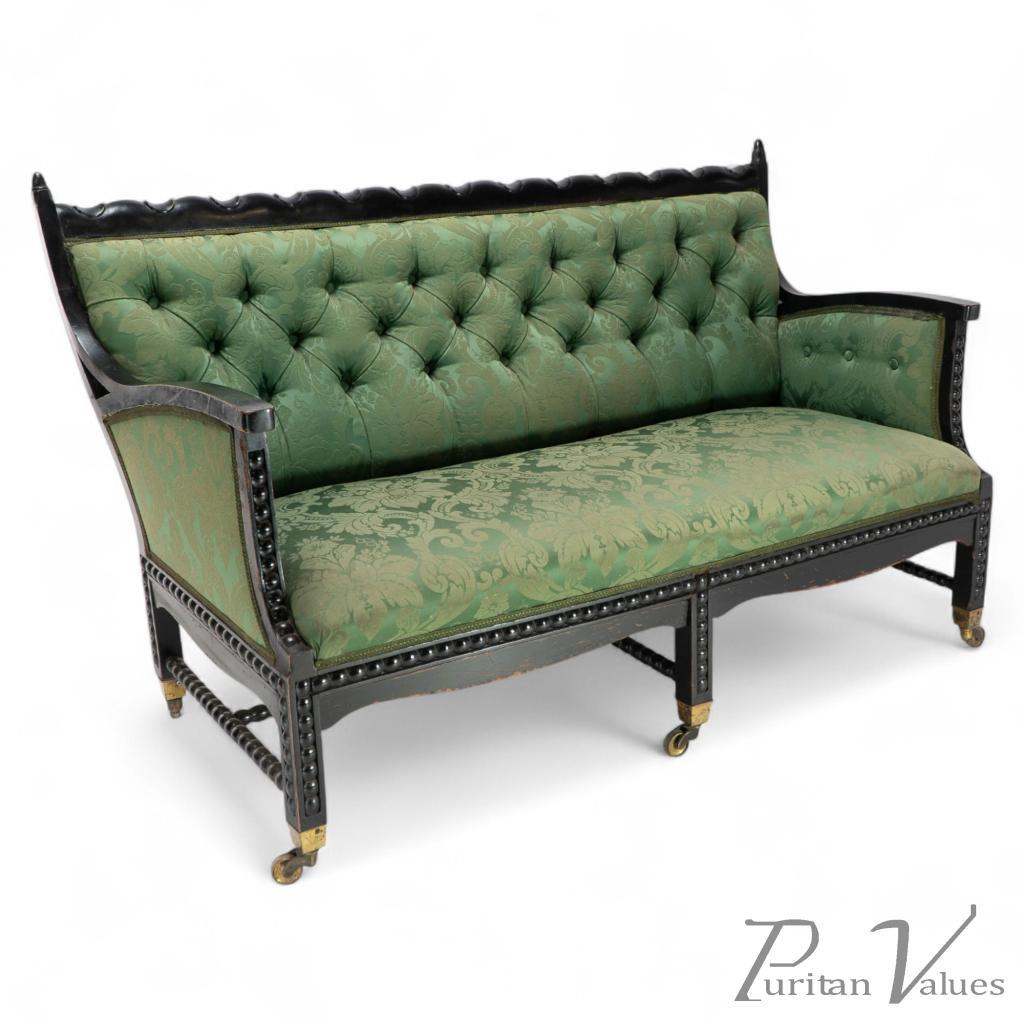
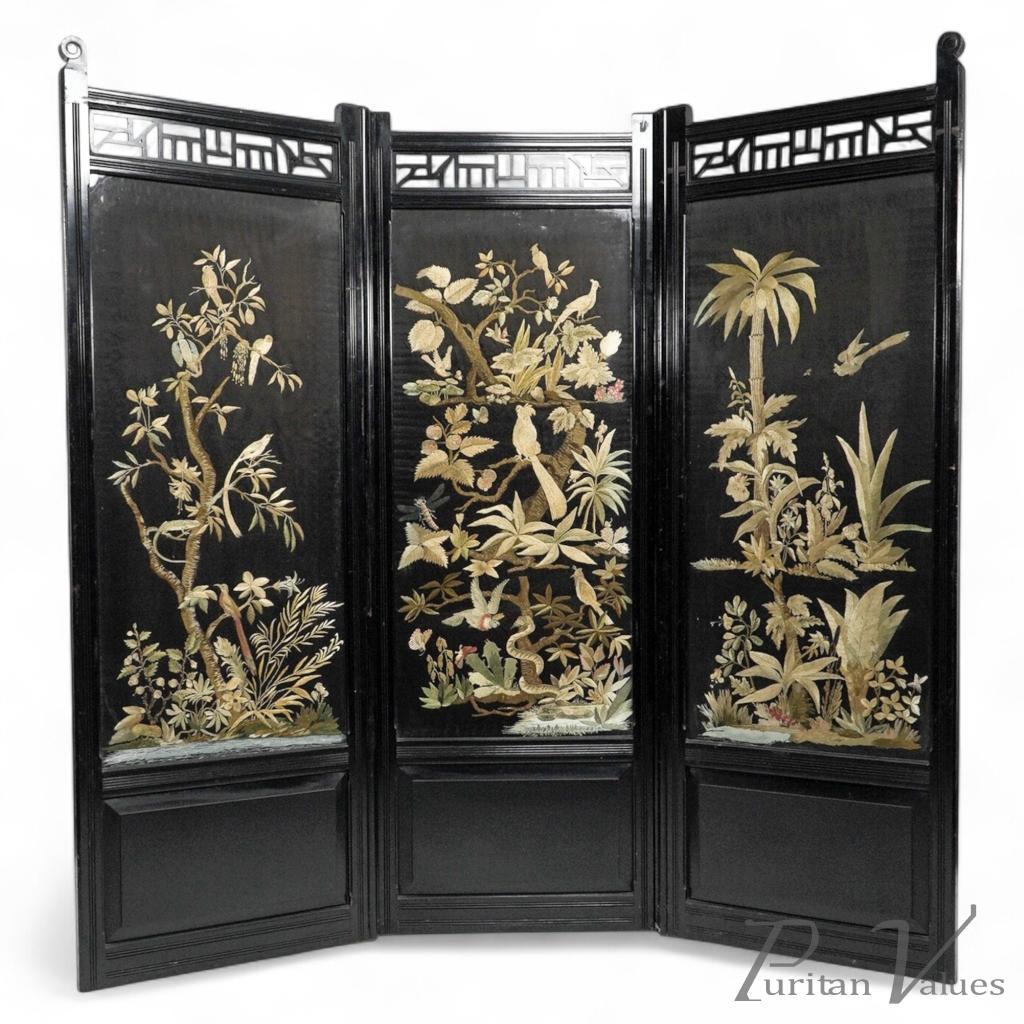
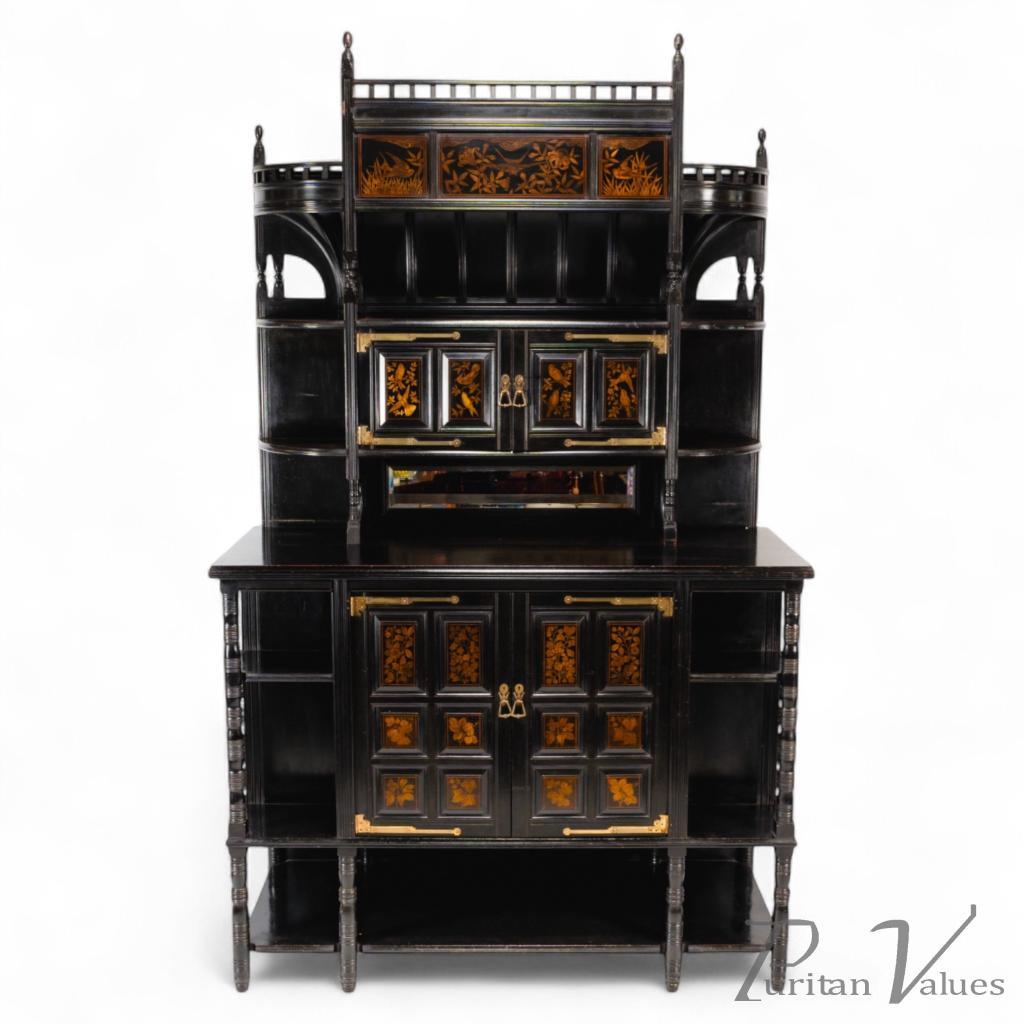
Ebonised woods, gilt highlights, inlay and painted or embroidered panels
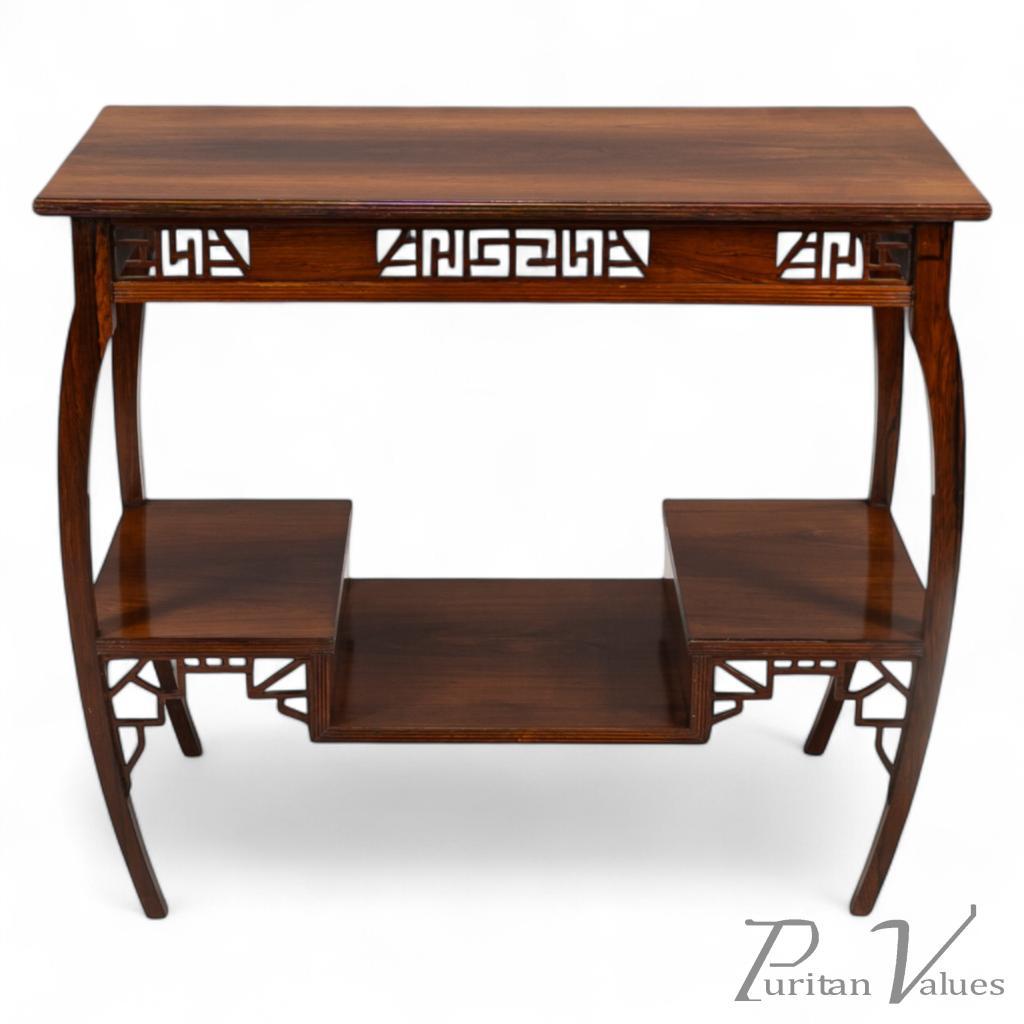
Strong Anglo Japanese influence in motifs, colour and form
Integration of art, poetry and design in everyday objects
The Aesthetic Movement raised domestic furniture to the level of fine art, blending carefully balanced forms with refined surface decoration and an interest in Japanese design, colour harmony and symbolism.
Featured Designers
Edward William Godwin – Anglo Japanese furniture master
Christopher Dresser – Industrial and decorative pioneer
Thomas Jeckyll – Designer of the Peacock Room
Bruce James Talbert – Furniture innovator with geometric decoration
Charles Eastlake – Author of Hints on Household Taste
Liberty & Co. – The great retailer of Aesthetic design
These designers shifted British interiors away from heavy Victorian clutter towards lighter, art led rooms where furniture, textiles and colour were conceived as a single composition.
Some of What We Offer
Chairs, from salon sets to Anglo Japanese side chairs
Tables, including centre, writing and occasional tables
Shelving and wall cabinets
Decor, from stands to screens and smaller pieces
Storage and cabinets for libraries, drawing rooms and studies
Our Aesthetic Movement collection ranges from one off exhibition pieces to versatile furniture that sits comfortably in contemporary interiors while retaining its historic character.
Glossary Terms Explained
Ebonised
Marquetry
Japonesque
Gilt
These terms appear regularly in Aesthetic furniture descriptions and help decode construction quality, timber selection and the type of decorative work used on a piece.
Our Approach
40' years of expertise in antique decorative arts.
Worldwide delivery with secure packing and regulatory documentation.
In-house restoration and cataloguing by our specialist team.
Ongoing research into provenance, period, and attribution.
One of the UK’s largest Arts & Crafts selections available.
Private viewings in showroom by appointment.
Condition reports and additional photographs available on request.